Hair Loss Management for Women: Causes, Solutions, and Treatment
 Share
Share
Last updated : 2 Mar 2026, 16:17:53
Share
Hair loss in women is more common than many realise, yet it continues to be one of the most emotionally difficult personal concerns. From noticing excessive strands on a hairbrush to seeing visible thinning at the crown or a widening part line, hair loss can affect confidence, self-image, and overall emotional well-being.
Hair plays a significant role in how many women express identity, femininity, and personal style. When thinning or hair fall becomes noticeable, it can lead to stress, anxiety, and frustration. However, advances in dermatology and trichology now make it possible to manage hair loss effectively, control shedding, and support healthy regrowth, especially when the condition is diagnosed early.
The key to successful treatment lies in understanding the underlying hair thinning causes, choosing a medically backed hair loss solution, and working with a qualified dermatologist for hair fall who can create a personalised plan. With the right approach, hair loss treatment for women can deliver meaningful, long-term improvement.
This guide explores the common causes of female hair thinning, modern treatment options, advanced therapies such as Tricopat Treatment and laser hair growth, and how women can take proactive steps toward stronger, healthier hair.
Understanding Hair Thinning Causes in Women
Hair thinning rarely happens due to a single reason. In most cases, it results from a combination of hormonal, nutritional, genetic, medical, and lifestyle factors. Identifying the root cause is essential because the effectiveness of any hair regrowth treatment depends on treating the real trigger rather than masking symptoms.
Hormonal Imbalances
Hormonal changes are among the most frequent contributors to hair thinning in women. These changes can occur during:
- Pregnancy and postpartum recovery
- Polycystic Ovary Syndrome (PCOS)
- Menopause and estrogen decline
- Thyroid dysfunction
- Use or discontinuation of hormonal contraceptives
Shifts in hormone levels can shorten the hair growth cycle, causing increased shedding and gradual thinning.
Nutritional Deficiencies
Hair follicles require consistent nourishment to grow thick and strong. Deficiencies in iron, vitamin D, B-complex vitamins, zinc, or protein can weaken follicles and increase hair shedding. Poor diet, restrictive eating, or malabsorption conditions can worsen the problem over time.
A well-planned hair loss solution often includes dietary support and supplementation when needed.
Stress and Lifestyle Factors
Chronic stress, whether emotional or physical, can disrupt hair growth cycles and lead to conditions such as telogen effluvium, where large amounts of hair are shed over a short period. Irregular sleep, crash dieting, lack of exercise, and high mental strain can also affect scalp health and follicle strength.
Genetic Predisposition
Some women experience female pattern hair loss due to hereditary factors. This typically presents as thinning along the crown or widening of the parting. While genetic hair thinning cannot be completely reversed, early intervention can significantly slow progression.
Medical Conditions and Medications
Certain medical issues, including autoimmune disorders, anaemia, diabetes, scalp infections, and chronic illnesses, can contribute to hair loss. In some cases, medications such as chemotherapy drugs, antidepressants, or blood pressure medications may also affect hair density.
External Hair Damage
Frequent heat styling, chemical straightening, bleaching, tight hairstyles, and harsh hair products can weaken the hair shaft and strain follicles. Over time, this can lead to breakage, thinning, and traction-related hair loss.
Why Identifying the Root Cause Matters
Not all hair fall is the same, and not all treatments work universally. Using random home remedies or over-the-counter products without understanding the cause can delay effective care.
A meaningful hair fall solution focuses on:
- Reducing ongoing shedding
- Correcting hormonal or nutritional imbalances
- Supporting scalp and follicle health
- Encouraging natural regrowth
- Preventing future thinning
This is why consulting a trained dermatologist for hair loss is a crucial step when hair loss becomes persistent or concerning.
Why Professional Hair Loss Evaluation Is Important
Many women initially attempt self-treatment, experimenting with oils, shampoos, supplements, or internet-recommended remedies. While mild hair shedding may resolve with lifestyle improvements, persistent or progressive thinning often requires medical evaluation.
A qualified dermatologist for hair fall performs a comprehensive assessment that may include:
- Scalp and follicle examination
- Hair density and pattern analysis
- Medical and hormonal history review
- Blood tests to identify deficiencies or imbalances
- Evaluation of stress, diet, and lifestyle factors
At The Skinwood Clinic, we conduct hair loss assessments under the expert guidance of Dr. Sagar Gujjar, ensuring every patient receives an accurate diagnosis and a structured treatment plan tailored to their individual needs.
This approach allows for targeted hair loss treatment for women, avoiding guesswork and improving the likelihood of long-term success.
Modern Hair Loss Treatment for Women
Advancements in dermatology have made it possible to manage female hair loss more effectively than ever before. The best hair loss treatment for female patients typically combines multiple therapeutic strategies rather than relying on a single solution.
Medical Therapies
Prescription medications may be recommended to:
- Reduce hair shedding
- Strengthen weakened follicles
- Stimulate dormant follicles
- Slow genetically influenced thinning
These treatments must be supervised by a dermatologist to ensure safety and effectiveness.
Nutritional and Lifestyle Support
Improving diet, managing stress, correcting nutrient deficiencies, and maintaining healthy sleep patterns can significantly support hair health. These changes complement medical treatment and enhance long-term results.
Clinical Hair Regrowth Treatment
In-clinic therapies help improve scalp circulation, activate follicles, and support thicker regrowth more effectively than home-based remedies alone.
A personalised combination of these methods often delivers the most reliable and natural-looking outcomes.
Hair Regrowth Treatment for Stronger, Fuller Hair
Effective hair regrowth treatment focuses on revitalising follicles, improving scalp health, and supporting stronger hair strands over time. These treatments work best when initiated early and performed under professional supervision.
By strengthening the hair roots and stimulating dormant follicles, regrowth therapies help:
- Improve overall hair density
- Enhance hair thickness
- Reduce visible thinning
- Restore healthier hair texture
Consistency and patience are key, as hair regrowth is gradual and requires ongoing support.
Tricopat Treatment: An Advanced Regenerative Option
One of the advanced procedures offered at Skinwood is Tricopat Treatment, a specialised therapy designed to nourish hair roots, strengthen follicles, and improve scalp health.
This treatment focuses on:
- Delivering targeted nourishment to hair follicles
- Enhancing scalp circulation
- Strengthening weak roots
- Supporting healthier and denser regrowth over time
When combined with medical therapy and lifestyle improvements, Tricopat Treatment can significantly improve hair quality, reduce breakage, and increase visible thickness.
Laser Hair Growth: A Non-Invasive Hair Restoration Option
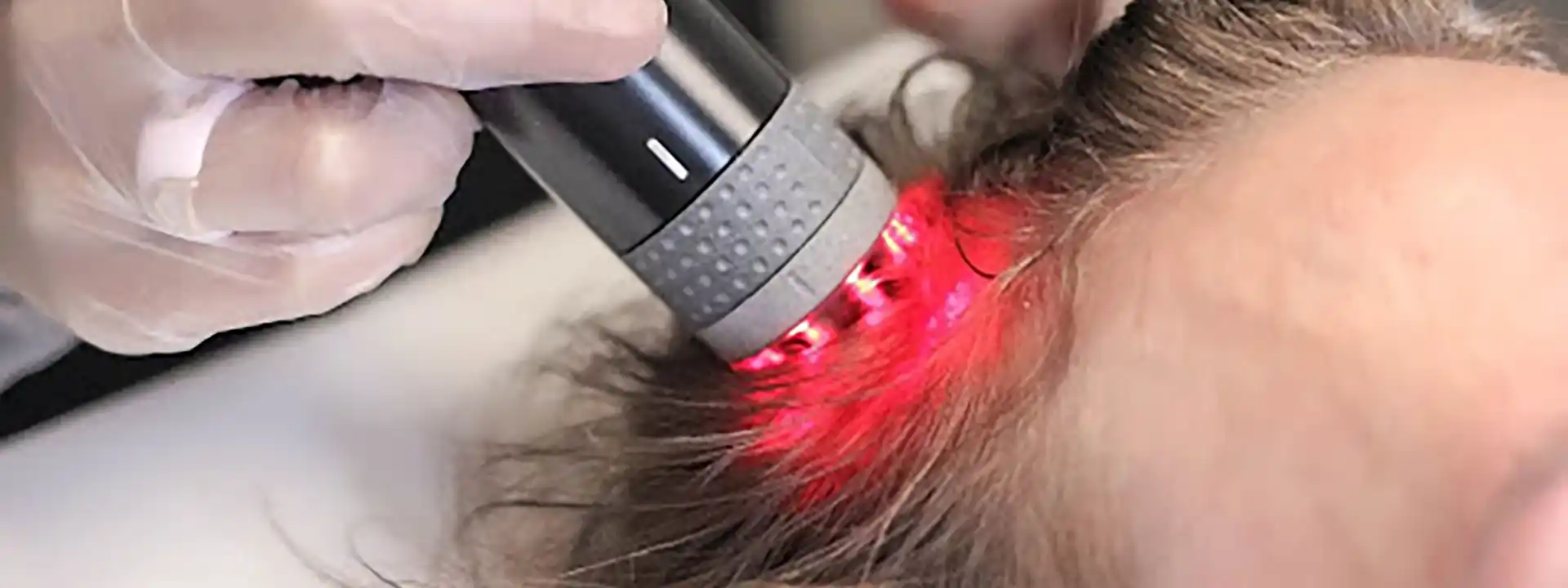
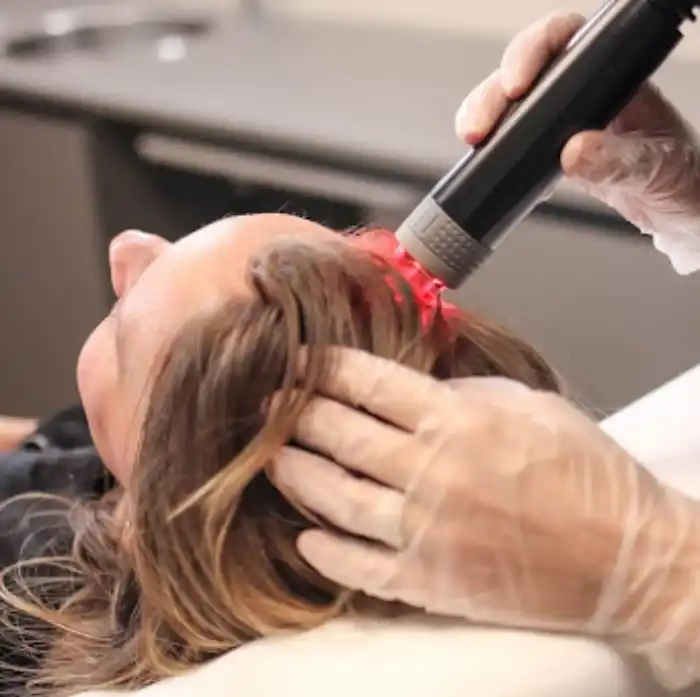
Laser hair growth therapy has gained popularity as a safe and non-invasive option for women experiencing thinning hair. Using low-level laser technology, this treatment stimulates hair follicles by improving blood flow and encouraging cellular activity.
How Laser Hair Growth Works
Laser energy gently stimulates the scalp, helping follicles remain in the active growth phase for longer. This supports stronger strands, reduced shedding, and gradual thickening.
Benefits of Laser Hair Growth Therapy
- Painless and non-surgical
- Minimal to no downtime
- Suitable for early to moderate thinning
- Safe for long-term use
- Can be combined with other hair regrowth treatments
When performed under professional supervision, laser hair growth offers a reliable and gradual hair loss solution for women seeking visible improvement without invasive procedures.
Why Combination Treatment Often Works Best
No two women experience hair loss in the same way. That’s why the most effective approach often combines:
- Medical treatment
- Nutritional and lifestyle guidance
- Tricopat Treatment
- Laser hair growth
- Ongoing scalp care and monitoring
This multi-layered strategy ensures that hair regrowth is supported from within the body and at the follicle level, improving durability and long-term success.
Choosing the Right Hair Loss Solution
Selecting the right hair loss solution requires realistic expectations and professional guidance. Factors such as age, genetics, hormonal balance, scalp condition, and lifestyle all influence treatment outcomes.
An effective hair fall solution should:
- Address the root cause of thinning
- Support follicle health at the scalp level
- Deliver gradual and natural-looking results
- Focus on long-term hair strength rather than short-term fixes
- Prioritise scalp safety and overall hair health
Medical supervision ensures that treatment remains safe, targeted, and sustainable.
Daily Hair Care and Prevention Tips
Alongside professional hair loss treatment for women, healthy hair practices play an important role in maintaining results:
- Eat a balanced, protein-rich diet
- Stay hydrated and manage stress
- Avoid excessive heat styling and harsh chemicals
- Use gentle, dermatologist-recommended hair products
- Avoid tight hairstyles that strain follicles
- Follow a scalp care routine recommended by your dermatologist
Small daily habits can significantly support long-term hair health.
Why Choose The Skinwood Clinic for Hair Loss Management
At The Skinwood Clinic, we understand that hair loss affects more than appearance; it affects confidence, emotional well-being, and quality of life. Our approach combines medical expertise with compassionate, personalised care.
What Sets Skinwood Apart
- Consultation and diagnosis by Dr. Sagar Gujjar, an experienced dermatologist, for hair fall
- In-depth evaluation of individual hair thinning causes
- Customised hair loss treatment for women
- Advanced procedures, including Tricopat Treatment
- Non-invasive solutions such as laser hair growth
- A long-term focus on natural-looking, sustainable regrowth
- Patient-first care designed around comfort, safety, and realistic outcomes
Our goal is not only to manage hair loss but to help women regain confidence through healthier, stronger hair.
Taking the First Step Toward Healthier Hair
Hair loss does not have to define how you feel about yourself. With early intervention, medical expertise, and the right hair regrowth treatment, women can restore hair strength, improve density, and achieve healthier-looking hair over time.
If you are seeking a reliable hair loss solution guided by professional care, The Skinwood Clinic is here to support your journey, from diagnosis to treatment and long-term maintenance.
Book a Consultation Today
Take the first step toward fuller, healthier hair with a medically guided plan designed specifically for women.
Book your consultation at The Skinwood Clinic today and begin your journey toward stronger, more confident hair supported by expert care and advanced treatment options.
FAQs
1. What are the most common hair-thinning causes in women?
Hair thinning in women can occur due to hormonal changes, nutritional deficiencies, stress, medical conditions, genetics, or excessive styling practices.
2. When should I consult a dermatologist for hair fall?
You should consult a dermatologist for hair fall if you notice constant hair shedding, visible thinning, widening of the part line, or reduced hair volume over several weeks. Early evaluation by a qualified dermatologist helps determine the right hair loss solution and improves the chances of successful hair regrowth.
3. What is the best hair loss treatment for female patients?
The best hair loss treatment for female patients varies based on the cause, stage of hair loss, and individual health factors. Most women benefit from a combination of medical therapy, nutritional support, and advanced hair regrowth treatment such as Tricopat Treatment or laser hair growth, as recommended by a dermatologist.
4. Is laser hair growth safe and effective for women?
Yes, laser hair growth is a safe, non-invasive treatment for women experiencing hair thinning or early hair loss. It works by stimulating hair follicles and improving scalp circulation. When performed under medical supervision, laser hair growth can be an effective hair fall solution with minimal discomfort and no downtime.
5. How long does it take to see results from hair regrowth treatment?
Most women notice reduced hair fall within a few months, with visible improvement in hair density usually seen after 3 to 6 months of consistent treatment.