

Dermaplaning: A Clinical Overview for Skin Rejuvenation and Exfoliation
 Share
Share
Last updated : 2 Mar 2026, 16:12:21
Share
Beautiful skin begins with a smooth, radiant texture. Every day, our skin faces pollution, makeup, stress and natural cell buildup that dulls the complexion. At Skinwood Luxury Aesthetics Centre, we see countless people who want their skin to feel fresh, look luminous and reflect light naturally. One treatment that helps achieve this effortlessly is dermaplaning.
Dermaplaning lifts away the outer layer of dead skin cells and fine facial hair to reveal a brighter, softer surface. Brides, actors, influencers or anyone who wants camera-ready skin often choose this treatment for its immediate and visible results. At our centre, we guide every client through a personalised approach, making sure the experience enhances natural beauty while supporting long-term skin health.
What is Dermaplaning?
Dermaplaning is a clinical exfoliation technique designed to gently remove the outermost surface of the skin. A trained clinician uses a sterile dermaplaning tool or dermaplaning device that resembles a 10‑gauge scalpel. Using controlled, precise strokes, this tool clears away accumulated dead skin cells and fine vellus hair that can trap oil and dull the complexion. This process helps to exfoliate the skin without the use of chemicals or abrasive scrubs.
Over recent years, this method has become especially popular with individuals who spend time in front of a camera, such as brides and entertainment personalities, because it leaves the skin looking beautifully smooth and radiant. At our centre, we support people who want their skin to feel cleaner, look clearer, and reflect light better.
The Science Behind the Process
At its core, dermaplaning is grounded in classic dermatological principles of controlled exfoliation and surface renewal. Human skin constantly sheds old cells and replaces them with new ones. Sometimes this shedding slows, leaving a buildup of dead cells mixed with fine hairs across the face. This residual layer can make skin appear flat, dull and aged.
The clinician uses a dermaplaning tool to manually lift away the outer layer. Think of it as a professional, precise way to sweep away the topmost debris that dulls skin tone and texture. Because the tool is sterile and the technique is regulated by a skilled clinician, the process avoids the micro‑tears and irritation that other physical exfoliants can cause.
We have seen how this surface reset creates a canvas that reflects light far better than untreated skin. This brings an immediate, visible improvement in skin smoothness and radiance. When clients feel the difference in texture, the experience helps them understand exactly how important surface exfoliation is to healthy skin.
The Role of an Expert Clinician
We tailor every treatment to the individual’s skin needs. Our approach is not a one‑size‑fits‑all procedure. The clinician begins with a full assessment of your skin type, daily routine, concerns and goals. In some cases, dermaplaning is combined with other treatments such as chemical peels, LED therapy or hydration boosters. When we customise a plan, we focus on safe, gradual improvement that enhances your natural structure.
A key part of delivering dermaplaning is expertise. Using a blade close to the skin requires skill and precision. At Skinwood, our clinicians are trained to optimise the technique for different skin types. They know how to determine the appropriate angle and pressure required to lift dead cells without disrupting the living layers beneath. This cautious precision is one reason why dermaplaning is a painless experience for most clients.
Immediate Effects You Can See and Feel
One of the most talked about aspects of dermaplaning is the immediate improvement in how the skin looks and feels. The moment we complete a session, the surface feels smoother. This smoothness comes from removing the compact layer of dead skin that can give an uneven texture under touch or light.
Clients often notice enhanced clarity and brightness within hours of treatment. This is due to the removal of surface dullness that sits on top of skin tone. Better light reflection helps even subtle irregularities to appear more uniform. Many people describe the sensation as “fresh” or “refreshed” because the skin feels clean and soft to the touch.
Another noticeable effect is how makeup applies after treatment. Because the skin is smooth, foundation and powders spread more evenly. Many of our clients who have upcoming events choose a dermaplaning before and after plan specifically for this reason. They like the way the skin sits under makeup without excess texture or fine peach fuzz interfering with application.
Who Can Benefit from Dermaplaning
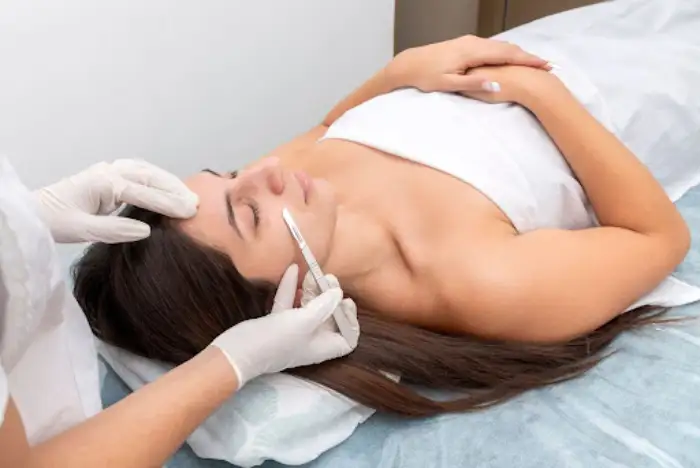
Dermaplaning works well for most people who want improved skin texture and tone. It is especially suitable for those experiencing dullness due to surface dead skin buildup. People with fine facial hair often find that removing this layer enhances smoothness and brightness. Those preparing for special events, social occasions or photo‑heavy moments also benefit from the surface clarity it creates.
It is a good choice for individuals who are unable to tolerate stronger chemical peels or aggressive exfoliation. Because the approach is mechanical and non‑chemical, it avoids many of the irritations and sensitivities that come with acids or high‑strength agents. The absence of harsh ingredients makes it a more gentle option for sensitive skin types.
However, it is not suitable for active acne flare-ups. In those cases, the focus is first on calming inflammation and clearing breakouts with appropriate medical skincare before returning to surface restoration. We always assess skin readiness before performing a treatment, ensuring that dermaplaning enhances rather than disrupts overall skin health.
Benefits of Dermaplaning
Understanding the benefits of dermaplaning helps you appreciate why it has become a staple in professional skin care therapy:
-
Deep Surface Exfoliation
The primary benefits of dermaplaning come from its ability to remove the superficial dead skin layer. This encourages normal cell turnover and reveals newer cells that are brighter and smoother.
-
Improved Skin Texture
Many clients tell us they feel an immediate softening of texture. This isn’t a temporary effect. With repeated sessions, the overall surface becomes more refined and even.
-
Enhanced Product Absorption
When the barrier of dead skin and fine hair is lifted, skincare products penetrate more effectively. Active ingredients such as hyaluronic acid, antioxidants and peptides can reach deeper layers.
-
Better Makeup Finish
Because the surface is smooth, makeup goes on more evenly. This is especially beneficial in event preparation and photography settings.
-
No Downtime
Unlike more invasive resurfacing treatments, dermaplaning typically requires no downtime. Most clients return to their day with a noticeable glow.
-
Safe for Most Skin Types
With professional evaluation, dermaplaning is adaptable to a range of skin types, including sensitive skin that cannot tolerate strong chemical peels.
-
Immediate Visual Results
Many people are surprised at how quickly they see a lift in radiance and tone. When this quick visual benefit aligns with clinical results, confidence around the process grows.
Before Your Treatment
Preparation for dermaplaning is straightforward. We talk you through your current routine and flag products that might increase sensitivity. For example, we recommend pausing retinoids or exfoliating acids a few days before treatment to reduce the risk of irritation.
We also ask about sun exposure history and current medications. These factors influence how the skin responds to exfoliation. Clear communication helps us customise the timing and intensity of the session.
The Treatment Experience
During a session, you will lie comfortably while the clinician begins working over your face with a sterile dermaplaning device. The hand movements are gentle and controlled, designed to lift the surface layer without discomfort.
Many describe the sensation as a light, sweeping touch rather than a scrape. There is no need for anaesthetic. Because the tool works only on the topmost layer, there is no pain or deep pressure.
Once complete, we cleanse the skin and often follow with a calming gel or hydrating mask. Your complexion looks smoother and glows with freshness.
Aftercare and Maintenance
Dermaplaning does not require a long recovery period. Immediately after your session, your skin will look refined and soft. Because the barrier has been optimised, it is important to prioritise sun protection. A broad‑spectrum SPF helps protect the newly revealed skin cells from UV‑induced stress.
We encourage gentle, hydrating products in the days following treatment. Avoid abrasive scrubs or strong acids until your clinician advises it is safe.
Most clients choose a maintenance schedule based on their skin’s renewal cycle. Many enjoy repeat sessions every four to six weeks. This maintains the benefits and prevents future buildup of dead skin cells and fine hairs.
Realistic Expectations
Our team at Skinwood Clinic matches results with real expectations. Dermaplaning enhances the skin’s surface, but it is not a substitute for medical interventions where deeper issues exist. For conditions like acne scarring, deep pigmentation or laxity, we might integrate dermaplaning into a broader plan that includes other clinical treatments.
Our goal is sustained skin health. Dermaplaning plays an important role in that journey, and when combined with appropriate daily care, it supports stronger tone, clarity and texture.
Seeing the Difference: Dermaplaning Before and After
When people talk about their dermaplaning before and after images, they mention a few key changes:
- smoother surface
- more even tone
- minimised appearance of dullness
- improved light reflection
- enhanced softness
Seeing these effects helps clients understand the value of targeted surface renewal. It also connects the clinical step with the everyday feeling of cleaner, fresher skin.
Dead Skin Treatment and Ongoing Skin Health
At its core, dermaplaning is a decisive dead skin treatment. Removing dull cells resets the skin’s surface. When done thoughtfully and regularly, this form of exfoliation supports a healthy cycle of renewal. We view dead skin management as essential to any effective skincare plan.
Rather than masking issues with makeup or aggressive daily scrubs, professional exfoliation improves the environment of your skin. When the foundation is clean and receptive, other skincare strategies perform better.
Final Thoughts
Dermaplaning is a treatment grounded in simple, effective skin science. It removes surface buildup with precision, leaving skin looking smoother and feeling fresher. At Skinwood Luxury Aesthetics Centre, we guide you through every step from initial assessment to aftercare, tailoring treatments that respect your skin’s unique needs. When you feel the texture improve and notice a brighter tone, you understand the value of proper exfoliation.
If you are curious about how dermaplaning could support your skin goals, our team is here to walk you through it with clarity and care.
FAQs
1. Is dermaplaning safe for sensitive skin?
Yes, when performed by a trained clinician, dermaplaning is gentle and suitable for many sensitive skin types after proper evaluation.
2. Will facial hair grow back thicker after dermaplaning?
No. Hair grows back at the same rate and texture as before since dermaplaning does not affect hair follicles.
3. How long do dermaplaning results last?
Results typically last three to four weeks, depending on your skin’s natural cell renewal cycle.
4. Can dermaplaning be combined with other treatments?
Yes, it is often paired with hydration therapies, chemical peels, or LED treatments to enhance overall results.
5. Is there any downtime after dermaplaning?
No downtime is required. Most people resume daily activities immediately with smoother, brighter skin.