
Can Laser Stretch Mark Reduction Completely Remove Marks? A Complete Guide
 Share
Share
Last updated : 20 Apr 2026, 09:46:57
Share
Stretch marks are one of the most common skin concerns experienced by both men and women. They often appear suddenly and can leave many people wondering whether they can ever be fully removed. Whether they develop during pregnancy, after rapid weight changes, or due to hormonal shifts, stretch marks can affect confidence and body image. As a result, many individuals begin searching for effective solutions for stretch mark reduction that actually deliver visible improvements.
Over the years, various creams, oils, and skincare products have been marketed as solutions for reducing stretch marks. While some topical products may help improve skin hydration and elasticity, they rarely address the more serious structural damage within the skin. Because stretch marks form in the dermis, the deeper layer of the skin, effective solutions usually require treatments that work below the surface.
This is where advanced dermatological procedures have transformed modern stretch marks treatment. Today, clinics offer several technology-based treatments that aim to improve skin texture, stimulate collagen production, and gradually reduce the visibility of stretch marks. Among these options, laser-based procedures have gained significant popularity because they target deeper skin layers while encouraging the skin’s natural repair process.
Many dermatologists now recommend laser stretch mark reduction as one of the most effective non-surgical approaches available today. By using controlled laser energy, these treatments stimulate collagen regeneration, which can gradually improve the appearance, texture, and color of stretch marks. But an important question still remains for many patients: can laser treatments completely remove stretch marks, or do they simply reduce their visibility?
To answer that question properly, it is important to first understand what stretch marks actually are and how they form within the skin.
What Are Stretch Marks? (The Science Behind Them)
Stretch marks, medically known as striae, develop when the skin stretches rapidly over a short period of time. This sudden stretching disrupts the normal structure of collagen and elastin fibers that give the skin its strength and flexibility. When these fibers break or weaken, the skin forms scar-like lines that appear on the surface as stretch marks.
Although stretch marks are commonly associated with pregnancy, they can occur in many situations where the body changes quickly. Puberty, rapid muscle growth, weight fluctuations, and hormonal imbalances can all trigger the formation of stretch marks.
How Stretch Marks Form
The skin is composed of multiple layers, but the dermis plays the most important role in maintaining skin elasticity. When the skin stretches too quickly, the dermal structure becomes damaged. Collagen fibers break, elastin loses its strength, and the skin begins to repair itself by forming scar tissue. These scars appear as stretch marks.
In the early stages, stretch marks often look inflamed and reddish because blood vessels beneath the skin are more visible. Over time, they fade and become lighter in color, creating the familiar white or silvery streaks that many people notice.
Types of Stretch Marks
Stretch marks generally fall into two categories depending on their stage of development.
-
Striae Rubra (Red Stretch Marks)
These are the newer stretch marks that appear red, pink, or purple. At this stage, the skin is still undergoing inflammation and repair. Because the skin is actively healing, treatments tend to work more effectively during this phase.
-
Striae Alba (White Stretch Marks)
These are older stretch marks that have matured over time. They appear white or pale and often have a slightly indented texture. Treating older stretch marks can be more challenging because the skin structure has already stabilised.
Common Areas Where Stretch Marks Appear
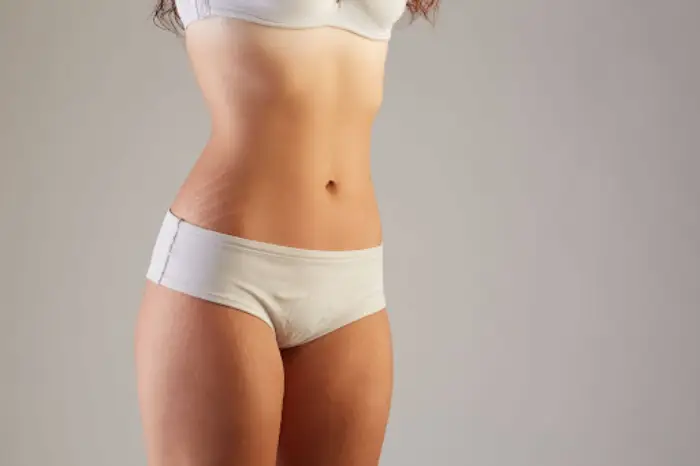
Stretch marks typically occur in areas where the skin experiences frequent stretching. Common areas include the abdomen, thighs, hips, breasts, arms, and lower back.
One of the most frequently treated areas is the abdomen, particularly after pregnancy or major weight changes. Many individuals specifically seek solutions for stomach stretch mark reduction because abdominal stretch marks tend to be more visible and difficult to conceal.
Similarly, treatments may focus on body stretch mark reduction across multiple areas when stretch marks appear on the thighs, hips, or arms. Understanding the type and location of stretch marks helps dermatologists choose the most suitable treatment approach.
What Is Laser Stretch Mark Reduction?
Laser technology has revolutionised many areas of dermatology, including the treatment of scars and stretch marks. Unlike topical products that mainly work on the surface of the skin, laser-based procedures target deeper skin layers where stretch marks actually form.
Laser stretch mark reduction works by delivering controlled energy into the skin, stimulating collagen and elastin production. This process encourages the skin to repair itself naturally, gradually improving the texture and appearance of stretch marks over multiple treatment sessions.
When dermatologists use a laser for stretch marks, the energy penetrates the dermis and creates tiny micro-injuries in the tissue. These controlled micro-injuries trigger the body’s natural healing response, which leads to the formation of new collagen fibers. Over time, this collagen remodeling helps smooth the skin and reduce the depth and discoloration of stretch marks.
The goal of laser therapy for stretch marks is not only to reduce visible lines but also to improve overall skin quality. By strengthening the dermal structure, laser treatments help the skin appear smoother, firmer, and more even in tone.
Can Laser Stretch Mark Reduction Completely Remove Marks?
The Honest Medical Answer
Laser treatments are among the most effective solutions available today for reducing the appearance of stretch marks. However, dermatologists generally agree that while lasers can significantly improve how stretch marks look, they rarely remove them completely. The goal of laser treatment is to make the marks less visible so they blend more naturally with the surrounding skin.
What Results Patients Can Realistically Expect
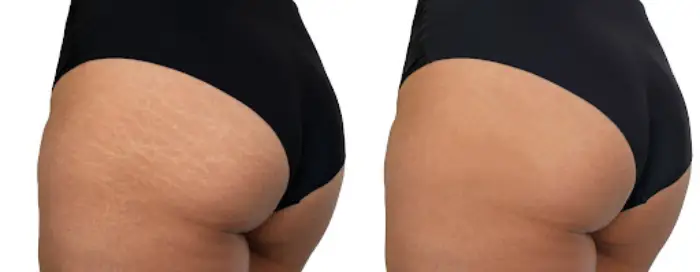
With a proper treatment plan and multiple sessions, most patients experience noticeable improvement. Laser procedures can lead to smoother skin texture, reduced depth of the marks, and better color blending with the surrounding skin. In many cases, patients see around 50–80% improvement in the overall appearance of stretch marks, making them far less noticeable.
Why Complete Removal Is Difficult
Stretch marks are a form of dermal scarring, meaning the deeper structure of the skin has already been altered. Because the damage occurs beneath the surface in the dermis, fully restoring the skin to its original state is difficult. While laser treatments stimulate collagen production and improve skin texture, the body’s natural regeneration process has its limits, which is why treatments focus on noticeable reduction rather than complete removal.
However, results can often be enhanced with combination therapies. Though there is no 100% cure for stretch marks, Dr. Sagar Gujjar has observed that outcomes can be significantly improved with companion treatments at The Skinwood Clinic, such as monthly microneedling with platelet-rich plasma (PRP) and growth factors to support cellular repair, along with LED light therapy to promote faster healing in the treated area.
Factors That Affect Laser Treatment Results
While laser procedures can significantly improve the appearance of stretch marks, the final results vary from person to person. Several factors influence how effectively the skin responds to treatment.
Age of Stretch Marks
Newer stretch marks, often red or purple in color, typically respond better to treatment because the skin is still in an active healing phase. Older white stretch marks may require more sessions to achieve noticeable improvement.
Skin Type and Tone
Different skin types respond differently to laser treatments. Dermatologists carefully evaluate skin tone and sensitivity to choose the most suitable laser technology, ensuring both safety and effective results.
Area of the Body
The treatment area also plays a role. Stretch marks on areas such as the abdomen, thighs, or hips may respond differently depending on skin thickness and elasticity.
Individual Healing Ability
Every person’s skin regenerates at a different pace. Factors such as age, overall skin health, and lifestyle habits can influence how quickly collagen rebuilds after treatment.
Understanding these factors helps set realistic expectations and ensures that patients receive a treatment plan tailored to their specific skin concerns.
What Happens During a Laser Stretch Mark Treatment Session?
Laser stretch mark treatments are carefully planned procedures performed by experienced dermatology professionals. The process is designed to be safe, precise, and comfortable for the patient.
Consultation and Skin Assessment
The treatment typically begins with a consultation where the dermatologist evaluates the stretch marks, skin type, and overall skin condition. This step helps determine the most suitable treatment plan.
Skin Preparation
Before the procedure begins, the treatment area is cleaned thoroughly. In some cases, a topical numbing cream may be applied to ensure maximum comfort during the procedure.
Laser Application
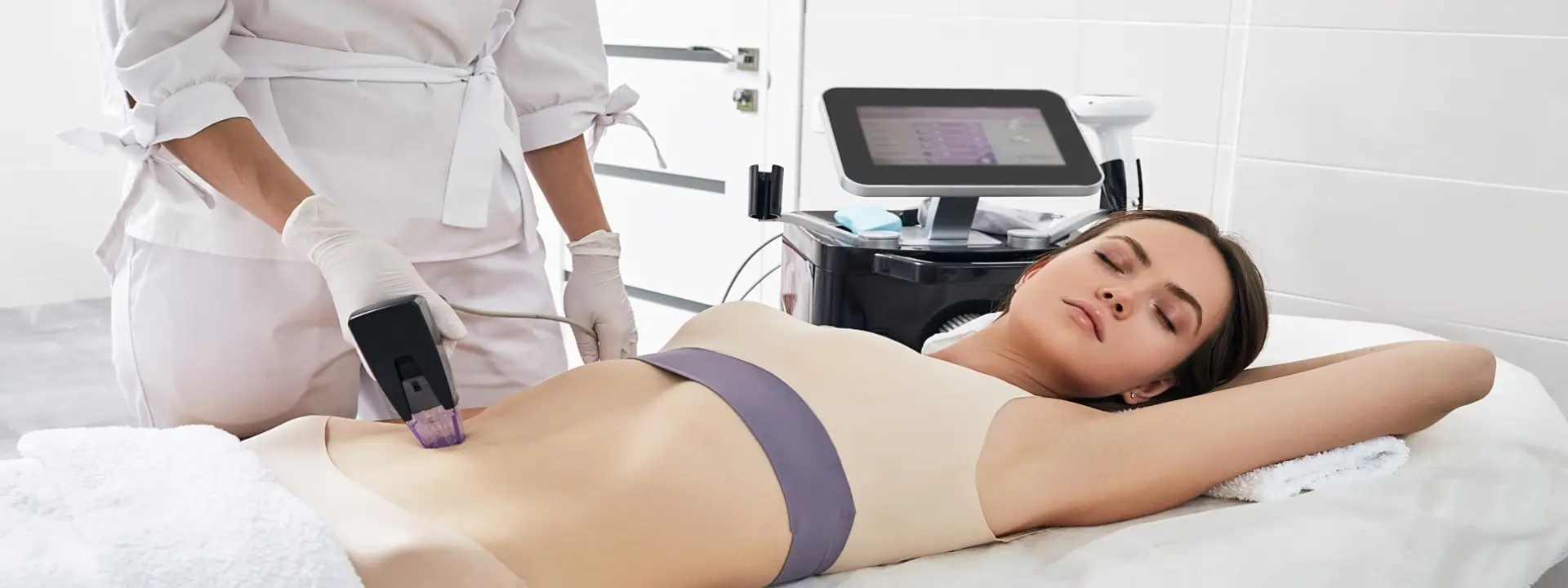
During the treatment, the dermatologist uses a specialised laser device to deliver controlled energy into the deeper layers of the skin. This process stimulates collagen production and encourages the skin to regenerate gradually.
Post-Treatment Care
After the procedure, soothing creams or cooling treatments may be applied to calm the skin and support recovery.
Following treatment, patients may notice mild temporary reactions. You may experience some minor soreness in the treatment areas after your procedure, and you may also see some redness. These symptoms are similar to a mild sunburn and typically disappear within a few days. Most individuals are able to return immediately to their normal daily activities, whether it be work, school, or leisure.
To maintain long-term results, dermatologists often recommend healthy lifestyle habits such as staying well hydrated, eating natural nutrient-rich foods, and getting adequate sleep to support the skin’s healing process.
Benefits of Laser Stretch Mark Reduction
At The Skinwood Clinic, our stretch mark removal treatments performed by Dr. Sagar Gujjar are designed to provide safe and effective improvements in skin texture and appearance.
- No incisions, making the procedure minimally invasive
- No discomfort or downtime, allowing patients to resume daily activities quickly
- Stimulates collagen regrowth, helping strengthen the skin from within
- Helps diminish both shallow and deep stretch marks
- Improves overall skin tone and texture
Stretch marks are common and completely natural, but modern dermatology offers effective ways to reduce their appearance. While they may not disappear entirely, treatments like laser therapy can significantly improve skin texture and tone by stimulating collagen regeneration. Results depend on factors such as the age of the marks and the expertise of the treating clinic. At The Skinwood Clinic, advanced treatments and personalised care help you achieve smoother, healthier-looking skin.
If you’re considering stretch mark treatment, booking a consultation with our experts at The Skinwood Clinic can help you explore the most suitable options for your skin.
FAQs
1. Can laser treatment completely remove stretch marks?
Laser treatments can significantly reduce the appearance of stretch marks, but complete removal is usually not possible. Most patients experience smoother skin and lighter, less noticeable marks after multiple sessions.
2. How many laser sessions are needed for stretch marks?
Most people need around 6-8 sessions depending on the age, depth, and location of the stretch marks. Your dermatologist will recommend a treatment plan based on your skin condition.
3. Is laser stretch mark treatment painful?
The procedure is generally well tolerated. Patients may feel mild warmth or tingling during the treatment, and any temporary soreness afterward is usually similar to a mild sunburn.
4. How long does it take to see the laser stretch mark removal results?
Some improvement can be seen after the first few sessions, but the best results typically appear gradually as collagen production increases over several weeks.
5. Are laser treatments safe for stretch marks?
Yes, when performed by experienced dermatology professionals, laser treatments are considered safe and effective for reducing the appearance of stretch marks. Proper aftercare also helps ensure the best results.