
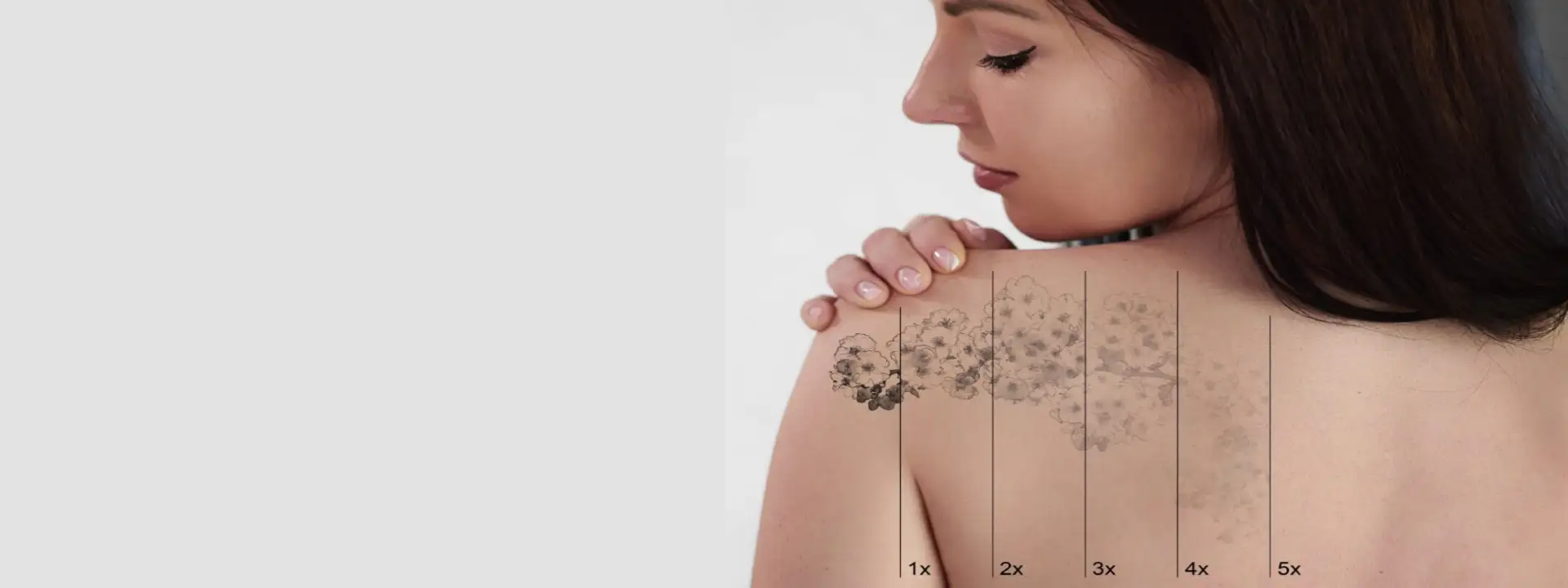
How Does Permanent Tattoo Removal Work? A Complete Guide for Treatment
 Share
Share
Last updated : 28 May 2026, 08:11:02
Share
Deciding to get inked and choosing a tattoo often stems from the belief that it reflects our values, personality, or choices. While most of us believe this is a “forever” choice that will last a lifetime, it is quite common to outgrow the choice. The results of the tattoo may not live up to our expectations, the choice of location, colours, or design may not remain meaningful, or we may start to regret getting tattooed altogether. Thankfully, breakthroughs in laser technology and tattoo removal procedures now provide refined, safe, and often painless solutions to these regrets. Tattoo removal is no longer a painful, scarring process.
Here is a comprehensive guide to the science, cutting-edge technology, and remarkable biology behind laser-based, safe and effective permanent tattoo removal, helping you achieve clear skin with confidence.
Before we move on to the tattoo removal process, let us pause to understand why tattoo ink remains permanently etched.
What Makes Tattoo Ink Indelible?
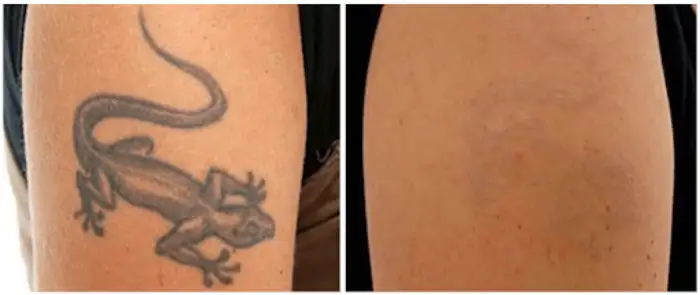
Once the designs are etched, the tattoo ink remains in place and stable. Tattoos may fade, but unless one opts for laser tattoo removal, they are, for the most part, permanent. During the tattooing process, a heavy ink is injected into the dermis, the layer of skin about 1.5 to 2 mm deep. While the upper layer, or epidermis, sheds, the dermis remains rather stable.
Once the ink is deposited, the body’s natural immune system recognises the ink particles as foreign bodies and the specialised white blood cells called macrophages try to engulf them. The ink pigments are too large for the macrophages to digest, and these remain trapped there. When the old macrophages die, new cells replace them, keeping the ink particles intact. Furthermore, Connective cells, such as fibroblasts, keep the ink in place and the design intact. Modern-day tattoo removal treatments use precision laser instruments to fragment these large ink particles, allowing the body’s immune cells to remove them easily and naturally without leaving unseemly scars.
Can My Tattoo Be Removed? Am I A Good Candidate For Laser Tattoo Removal?
With today’s advanced laser technology, most tattoos can be removed safely and with minimal discomfort. Dr Sagar Gujjar has extensive experience removing tattoos of all shapes, sizes, and ages.
Tattoo removal results, however, vary from person to person and may depend on the skin tone, lifestyle, and other health factors. Tattoo removal may be faster and easier for those with a lighter skin tone because contrasting ink pigments stand out, making the treatment process easier. Depending on the depth of the ink deposits, the pigment, and the age of the tattoo, it may not be possible to completely remove the tattoo, but laser treatment can lighten the ink considerably in these cases. Smoking or drinking alcohol regularly stresses the liver, kidneys, and immune system and could slow down the healing process. Maintaining a healthy diet and lifestyle is important for achieving the best tattoo removal results.
I Got Inked. How Do I Get It Removed?
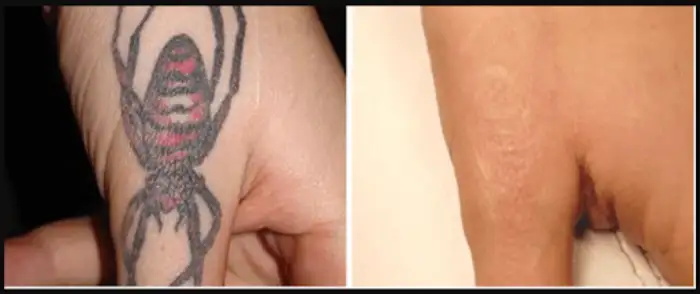
Having understood the process that keeps tattoo ink permanently in place beneath the skin, let us now look at the tattoo removal process. This can be quite challenging and intensive depending on the size and location of the tattoo, the number of colours used, the age or skin tone of the person and any other skin conditions that may affect the outcome. This makes it imperative to consult a highly experienced and board-certified expert like Dr Sagar Gujjar.
Laser technology was first used in medical and cosmetic procedures in the 1960s. Since then, significant advancements have been made, and recent high-end devices, such as the Starwalker MAQX Q-Switched laser, have made tattoo removal treatments painless and extremely effective. This device delivers very short but high-energy pulses to targeted areas of the skin, effectively removing tattoos and pigmented patches.
Do I Really Need Tattoo Laser Treatments With A Dermatologist?
The success of tattoo laser treatment largely depends on selecting the right tools and techniques and having a clear understanding of the expected outcomes. Modern laser devices offer four different wavelengths, allowing practitioners to address various types and colours of pigments.
The choice of laser and the length of treatment are often dictated by the intricacy, location, and colour of the tattoo, as well as the skin’s sensitivity to the treatment. Getting the tattoo removed in a clinical setting under strict medical protocols prevents a range of painful skin conditions, pigmentation changes, and other side effects. This makes it imperative that tattoo removal be performed by an experienced doctor and expert cosmetologist.
Following the initial consultation, Dr Gujjar will outline your customised tattoo removal process, taking into account various physiological factors. As part of this approach, the plan will include treatment milestones and endpoints, with a focus on minimising adverse side effects.
What Are Short-Pulse-Width Lasers Used In Permanent Tattoo Removal?
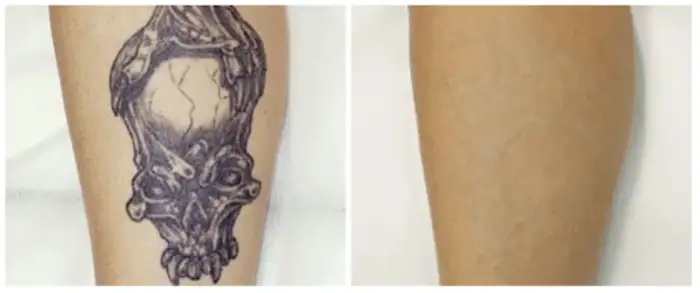
The Quality-Switched laser technique is the most commonly used in laser tattoo removal, as it delivers short bursts of energy that generate heat and vibration in the dermis, breaking up the ink. The energy breaks down the ink pigments of the tattoo without damaging the surrounding skin tissue. The Q-switched laser is often considered the primary option in tattoo laser treatments. It works best on black or darker ink pigments over denser areas.
The Picosecond laser is a major advancement in laser tattoo removal technology. Devices such as PicoSure and PicoWay deliver energy within a trillionth of a second. These photoacoustic blasts shatter the ink pigment into microscopic particles rather than simply heating and breaking it up. These ultra-fine particles are cleared quickly by the body’s immune system. The Picosecond laser, thus, reduces the number of sessions needed for tattoo removal by about 30-50%. It also better protects the surrounding tissue in the process. Picosecond lasers are used for intricate, more complex designs, since they deliver even shorter bursts of energy with greater precision.
What Is A PDF Patch?
During a standard tattoo removal session, the dermatologist usually passes the laser over each area of skin just once. When the laser is used, small gas bubbles are trapped under the skin. This creates a white, bubbly look called ‘frosting.’ Frosting blocks the laser from being used again on the same spot, so patients typically get only one laser pass per session.
The development of the Perfluorodecalin (PFD) Patch has improved this process, resulting in more favourable clinical outcomes. This medical-grade silicone patch, applied with the laser, contains a liquid that dissolves the gas and prevents gas bubbles from forming.
Application of the PDF Patch allows Dr Gujjar to perform 3 to 4 passes in a single session, potentially reducing the total number of appointments and speeding up the overall tattoo removal process. The patch also protects the epidermis from thermal damage. This greatly lowers the chance of blistering, speeds recovery, and makes the procedure safer and more comfortable.
So, Will Laser Treatment Remove My Tattoo In One Sitting?
While it is possible to get a tattoo inked in a single session, it is not possible to remove it in a sitting. Tattoo removal results become visible over time, particularly because the immune system takes time to process and remove the ink pigments that the laser devices break up. Even a small and simple tattoo design may require about 6 laser treatment sessions. Larger, more complex designs with several colour pigments will take more sessions. Additionally, the body will need about 6-8 weeks to assimilate and eliminate the ink.
What Can I Expect During The Tattoo Removal Treatment?
At Skinwood Luxury Aesthetics Centre, tattoo removal treatments are undertaken in highly controlled state-of-the-art clinical settings under expert medical care. During the initial consultation, Dr Gujjar will assess your specific needs and design a completely customised treatment plan. Do remember to ask any questions or air any concerns you may have. During the session, you will be kept comfortable. You may be administered a nerve block or a numbing cream to keep pain and discomfort to a minimum. Dr Gujjar will set the laser devices at the appropriate settings and guide them across the tattoo surface till it has been completely administered. You will be monitored for a short time after each session.
What Precautions Should I Take After Each Tattoo Removal Session?
Immediately after the session, the area will be iced to provide comfort and reduce swelling. A medicinal ointment will be applied to the area, and it will be bandaged to keep it clean and dry. Dr Gujjar will review the tattoo removal results after each session and provide you with post-treatment instructions.
Over the course of the next few days, avoid exposure to direct sunlight and do not submerge the area in water for long periods. Avoid wearing tight clothes or participating in activities that may cause sweating. Remain hydrated and completely avoid smoking or alcohol during the treatment process. It is important to apply any ointments or take any medication as recommended by Dr Gujjar.
What Are Common Tattoo Removal Side Effects? What Should I Watch Out For?
The tattoo removal and healing process can be lengthy. While your dermatologist does his bit, you must remain patient while your body heals. Some common tattoo removal side effects include scabbing, redness, and itching. It is important to monitor these changes, but resist the urge to itch or pick at scabs. Some rare tattoo removal side effects to watch out for include signs of infection, such as pus buildup, fever, or unusual pain. As the laser breaks down the ink pigments, it may cause a delayed allergic reaction. This is very rare, but if it occurs, it is important to seek medical attention immediately.
A permanent tattoo no longer has to be a lifelong commitment. If your ink no longer fits your style or story, you can let it go. At Skinwood Luxury Aesthetics Centre, advanced laser treatments can erase even colourful ink pigments, helping you start fresh with minimal disruption to your routine and very little discomfort.