

Clinical Approaches To Treating Facial Melasma
 Share
Share
Last updated : 2 Mar 2026, 16:32:53
Share
Melasma is a complex and often persistent pigmentation condition that affects many individuals, particularly women. It appears as uneven brown or grey-brown patches on the skin and most commonly affects sun-exposed areas such as the cheeks, forehead, upper lip, and nose. While melasma is not medically harmful, it can significantly impact a person’s confidence, emotional well-being, and overall skin appearance.
Because melasma pigmentation tends to be chronic and prone to recurrence, effective care requires more than cosmetic correction. Successful melasma treatment depends on understanding its causes, identifying the depth of pigmentation, choosing safe dermatological methods, and maintaining long-term preventive care. With the right clinical approach, melasma can be controlled, lightened, and managed safely over time.
Let us explore the key factors behind melasma, how it appears on different areas of the skin, and the clinical approaches used to manage pigmentation safely and effectively, with a focus on long-term skin health and sustainable results.
Understanding Melasma and Its Symptoms
Melasma is a form of acquired hyperpigmentation caused by excessive melanin production in certain areas of the skin. It occurs when pigment-producing cells (melanocytes) become overactive due to internal or external triggers.
Common Melasma Symptoms
Melasma typically presents as:
- Brown or greyish patches on the cheeks, forehead, and upper lip
- Melasma: dark patches on the face, especially across the cheekbones
- Melasma on the nose, appearing darker due to sun exposure
- Uneven pigmentation across the melasma forehead
- Pigmented patches on the hands caused by prolonged UV exposure
These patches often darken with sunlight and may fluctuate with hormonal changes, stress, or heat exposure. Unlike freckles or sunspots, melasma tends to have softer borders and symmetrical distribution, especially on the face.
Why Melasma Is a Complex Condition
Melasma is not simply a surface-level pigmentation issue. It is influenced by:
- Hormonal fluctuations
- Genetic predisposition
- Environmental triggers
- Skin inflammation
- Chronic sun and heat exposure
This complexity explains why melasma can be resistant to treatment if not managed with a medically guided and consistent approach. It also highlights why understanding how to cure melasma involves long-term management rather than a one-time fix.
Melasma Causes: Why Pigmentation Develops
Understanding melasma causes is essential for effective treatment and prevention. Melasma typically results from a combination of internal and external factors rather than a single cause.
-
Sun and UV Exposure
Prolonged exposure to ultraviolet (UV) rays is one of the strongest triggers. Sunlight stimulates melanocytes, causing increased pigment production and deepening existing melasma patches.
-
Hormonal Changes
Melasma is strongly associated with hormonal shifts, including:
- Pregnancy (often called the “mask of pregnancy”)
- Oral contraceptive use
- Hormone replacement therapy
- Menopause
These hormonal changes can stimulate pigment production, especially in genetically predisposed individuals.
-
Genetic Predisposition
Individuals with a family history of melasma are more likely to develop the condition. Genetic factors influence how melanocytes respond to hormonal and environmental triggers.
-
Heat Exposure
Heat, even without direct sunlight, can worsen melasma by increasing blood flow and stimulating melanocyte activity.
-
Certain Medications and Skincare Products
Some medications, perfumes, and irritating skincare products can trigger or worsen pigmentation by sensitising the skin.
-
Skin Inflammation and Barrier Damage
Inflammation, acne, aggressive exfoliation, or improper treatments can lead to post-inflammatory pigmentation and worsen melasma.
Because melasma is multifactorial, a clinical evaluation is necessary before selecting the safest and most effective melasma treatment.
Types of Melasma and Why Diagnosis Matters
There are different types of melasma, and identifying the type is critical in determining the most effective treatment approach.
-
Epidermal Melasma
- Pigment is located in the upper layers of the skin
- Appears lighter brown
- Responds better to topical treatments
-
Dermal Melasma
- Pigment lies deeper in the skin
- Appears bluish or grey-brown
- More resistant to treatment
- Requires advanced clinical procedures
-
Mixed Melasma
- A combination of epidermal and dermal pigmentation
- Most common type
- Requires a multi-layered treatment plan
Correct diagnosis helps dermatologists personalise treatment and avoid overly aggressive methods that may worsen pigmentation or damage the skin barrier.
Melasma on Face: Clinical Treatment Considerations
Melasma on the face is the most commonly reported concern, particularly affecting the cheeks, upper lip, and forehead. Facial skin is delicate, highly visible, and constantly exposed to sunlight, which means treatment must be carefully planned.
The best treatment for melasma on the face often focuses on:
- Regulating melanin production using prescription topical agents
- Supporting skin barrier repair
- Using in-clinic procedures designed for pigmentation correction
- Maintaining strict sun protection
Treatment outcomes depend on consistency, patience, and adherence to dermatologist-guided care rather than aggressive or quick-fix methods.
Best Treatment for Melasma on Face: A Gradual, Safe Approach
An effective facial melasma plan may include:
Prescription Topical Therapy
These formulations help reduce pigment production and gradually lighten dark patches without irritating the skin.
In-Clinic Dermatological Procedures
Depending on pigment depth, dermatologists may recommend controlled clinical treatments that target melanin safely while protecting surrounding skin.
Sun Protection and Maintenance
Daily sunscreen use and protective skincare are essential to prevent recurrence and support long-term improvement.
The best treatment for melasma on the face prioritises gradual progress, skin tolerance, and sustainable results rather than rapid, harsh interventions.
Treating Melasma on Nose and Forehead
Melasma on Nose
The nose is highly exposed to sunlight, making the melasma on the nose more prone to darkening and recurrence. The skin in this area is thinner, requiring precise and gentle treatment to avoid irritation.
We treat pigmentation on the nose with controlled protocols to ensure safe correction while minimising sensitivity and post-treatment inflammation.
Melasma Forehead
The melasma forehead region often shows broader, more diffuse pigmentation. Because this area is frequently exposed to UV rays, ongoing sun protection and consistent maintenance are essential to sustaining results.
Why Professional Melasma Treatment Matters
Melasma is a long-term condition that can worsen if treated incorrectly. Self-treatment or unregulated procedures may cause:
- Increased pigmentation
- Skin barrier damage
- Inflammation-triggered darkening
- Uneven or patchy results
Professional melasma treatment focuses on:
- Assessing pigment depth and type
- Reducing melanin safely without causing inflammation
- Strengthening the skin barrier
- Preventing recurrence through structured maintenance
A dermatologist-led approach ensures that treatment remains effective, safe, and realistic.
How to Cure Melasma: Managing Expectations
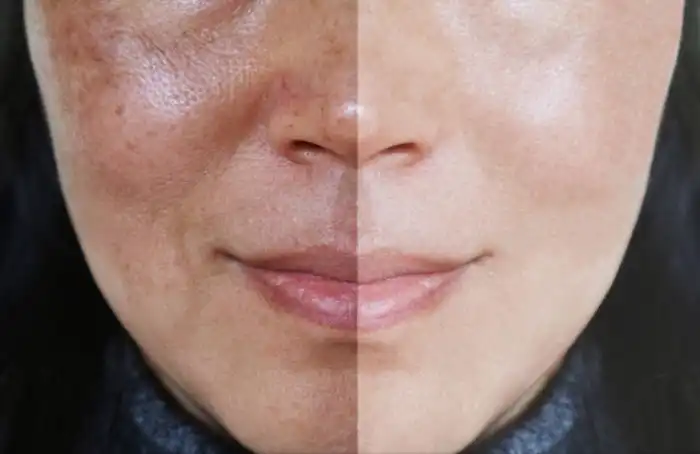
Many patients ask how to cure melasma permanently. While melasma can be significantly improved and controlled, it is best understood as a chronic condition requiring long-term management.
With proper treatment:
- Pigmentation can be lightened
- Patch intensity can be reduced
- Recurrence can be minimised
- Skin tone can become more even and balanced
The goal is long-term control, not temporary clearing, which ensures healthier and more stable results over time.
Clinical Strategies for Long-Term Melasma Management
Successful management typically involves a combination of:
Topical Pigment-Control Treatments
These help regulate melanin production and gradually fade pigmentation.
Advanced In-Clinic Procedures
Performed under dermatologist supervision to target deeper pigment safely.
Strict Sun Protection
Sunscreen is essential to prevent reactivation of pigment cells.
Skin Barrier Repair
A healthy skin barrier reduces inflammation and lowers the risk of pigment relapse.
Lifestyle and Heat Control
Minimising heat exposure, managing stress, and avoiding harsh skincare support long-term success.
Why Choose The Skinwood Clinic for Melasma Care
At The Skinwood Clinic, melasma management is guided by clinical expertise, advanced dermatology protocols, and personalised care.
Under the supervision of Dr. Sagar Gujjar, each patient undergoes a detailed skin evaluation to determine:
- The melasma causes
- Pigmentation depth
- Skin sensitivity
- Lifestyle factors affecting recurrence
- The safest and most effective treatment pathway
Whether managing melasma on the face, nose, forehead, or hands, our focus remains on safe correction, gradual improvement, and long-term skin health.
A Thoughtful and Personalised Approach to Melasma Treatment
At Skinwood, our treatment plans are designed to:
- Match your skin type and tone
- Address pigment without over-irritating the skin
- Reduce the risk of rebound pigmentation
- Support healthy, even-toned skin over time
Every plan balances clinical precision with patient comfort, ensuring results that look natural and maintain skin integrity.
Preventing Melasma Recurrence: Daily Care Matters
Alongside clinical treatment, daily habits play a crucial role in controlling melasma:
- Apply broad-spectrum sunscreen daily
- Reapply sunscreen during prolonged sun exposure
- Avoid excessive heat exposure
- Use gentle, dermatologist-recommended skincare
- Avoid harsh scrubs or over-exfoliation
- Maintain a balanced diet and manage stress
Consistent preventive care is essential to sustaining treatment outcomes.
Melasma and Emotional Well-Being
Melasma is not just a cosmetic concern; it can impact self-esteem, social confidence, and emotional health. Many individuals feel frustrated by recurring pigmentation or unsuccessful past treatments.
A supportive, medically guided approach helps patients feel informed, reassured, and empowered throughout their treatment journey.
Taking the First Step Toward Clearer, More Even-Toned Skin
Melasma may be persistent, but with the right clinical guidance, it can be effectively managed. Understanding melasma symptoms, recognising underlying melasma causes, identifying the types of melasma, and choosing scientifically supported treatment are essential steps toward healthier skin.
If you are looking for expert guidance on safe and effective melasma treatment, The Skinwood Clinic offers a medically driven, personalised approach to pigmentation care.
Book a Consultation With Us
Begin your journey toward clearer, more balanced skin with clinical expertise you can trust.
Book a consultation with us today at The Skinwood Clinic and take the first step toward managing melasma safely, with personalised care, advanced dermatology solutions, and long-term skin health in mind.
FAQs
1. What are the common melasma symptoms?
Melasma symptoms include brown or greyish patches on the face, nose, forehead, or hands that become darker with sun exposure.
2. What causes melasma pigmentation?
Melasma can be caused by sun exposure, hormonal changes, genetics, heat, and certain medications or skincare products.
3. What is the best treatment for melasma on the face?
The optimal treatment for facial melasma depends on pigmentation depth and skin type and typically includes topical medications, in-office treatments, and strict sun protection.
4. Can melasma on the nose and forehead be treated safely?
Yes, melasma on the nose and forehead can be treated safely with dermatologist-guided therapies designed for sensitive facial areas.
5. How can melasma be cured permanently?
Melasma cannot always be cured, but with appropriate treatment and maintenance, pigmentation can be effectively controlled and lightened.